01 · Master your camera
Stop thinking about settings and start thinking about photographs. Learn to take control of your camera so that exposure, focus, speed and depth of field become tools at the service of what you want to create.
More than learning to use a camera
Nature photography asks for something more.
A camera can teach us a great deal once we understand how it works. That is why we start with the basics: exposure, focus, depth of field, light, composition and color.
We learn to observe behavior, anticipate moments, work with conditions we cannot control and make decisions without putting a photograph above the wellbeing of whatever is in front of the lens.
My goal is to help you bring together technique, knowledge, sensitivity and purpose so that your images start to speak with a voice of their own.
What you can learn with me
Photography is not only about learning techniques. It is about understanding your tools, learning to observe and making decisions that let you turn what you see, feel and imagine into a photograph.
Stop thinking about settings and start thinking about photographs. Learn to take control of your camera so that exposure, focus, speed and depth of field become tools at the service of what you want to create.
There is no perfect setting for every photograph. Learn to read each situation, understand what you want to achieve and decide how to use your gear to solve it.
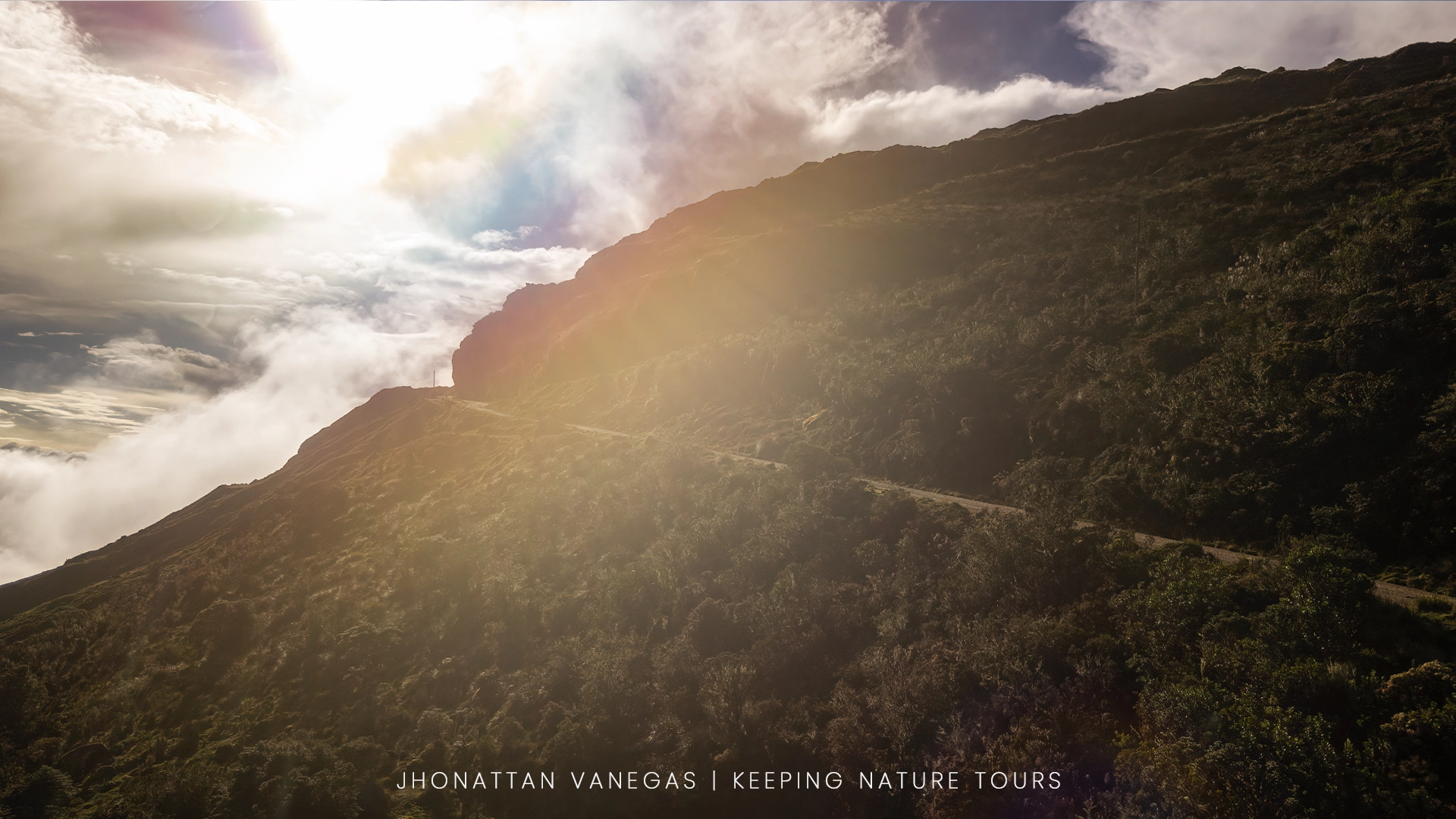
Light does not only illuminate: it creates atmosphere, volume and emotion. Learn to recognize its direction, quality, intensity and color so you can work with the light you have or create the light your photograph needs.
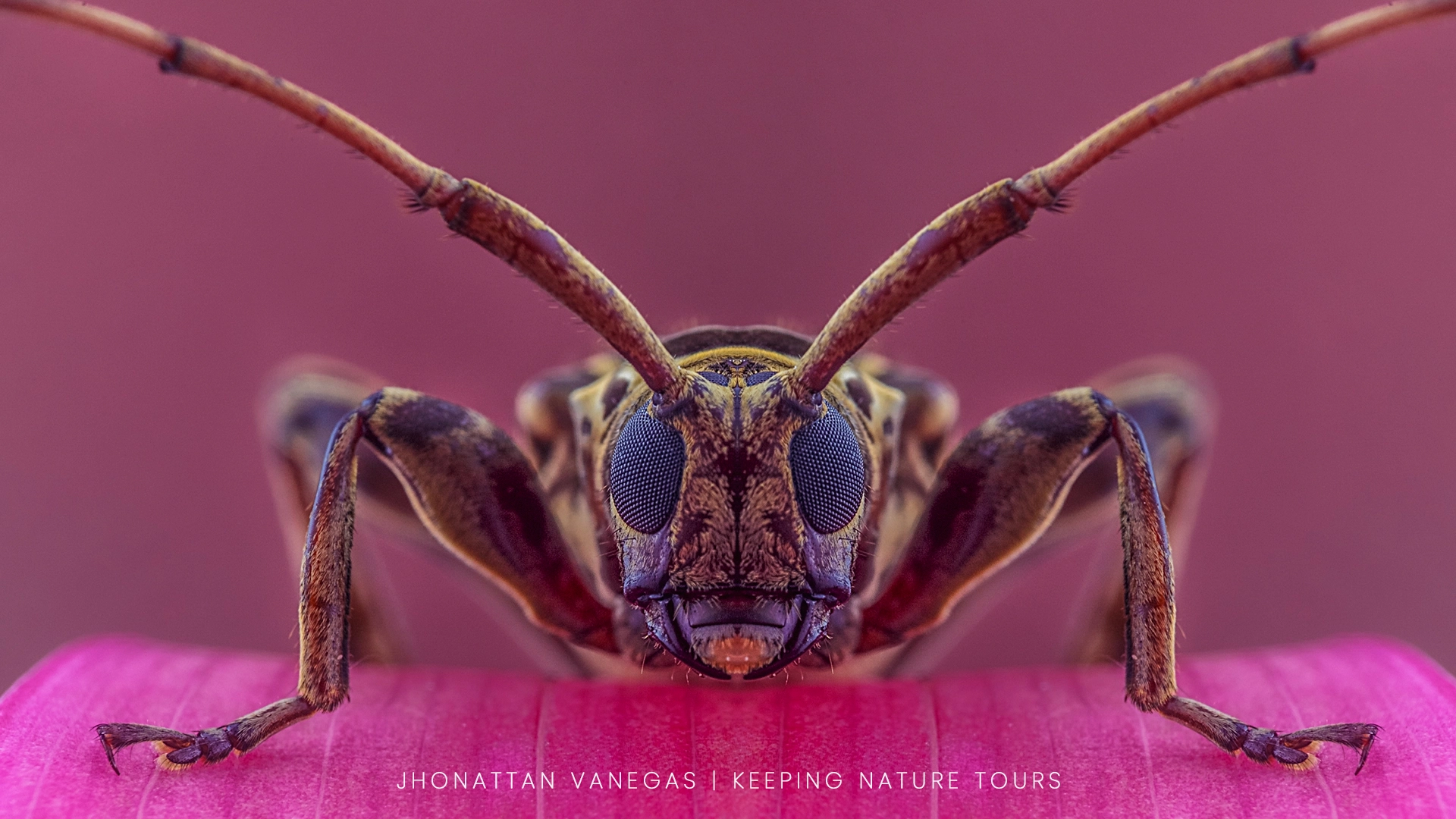
Get closer to the universe of small details. Learn to photograph what usually goes unnoticed and to solve the challenges of focus, depth of field, magnification and lighting that appear when the world turns tiny.
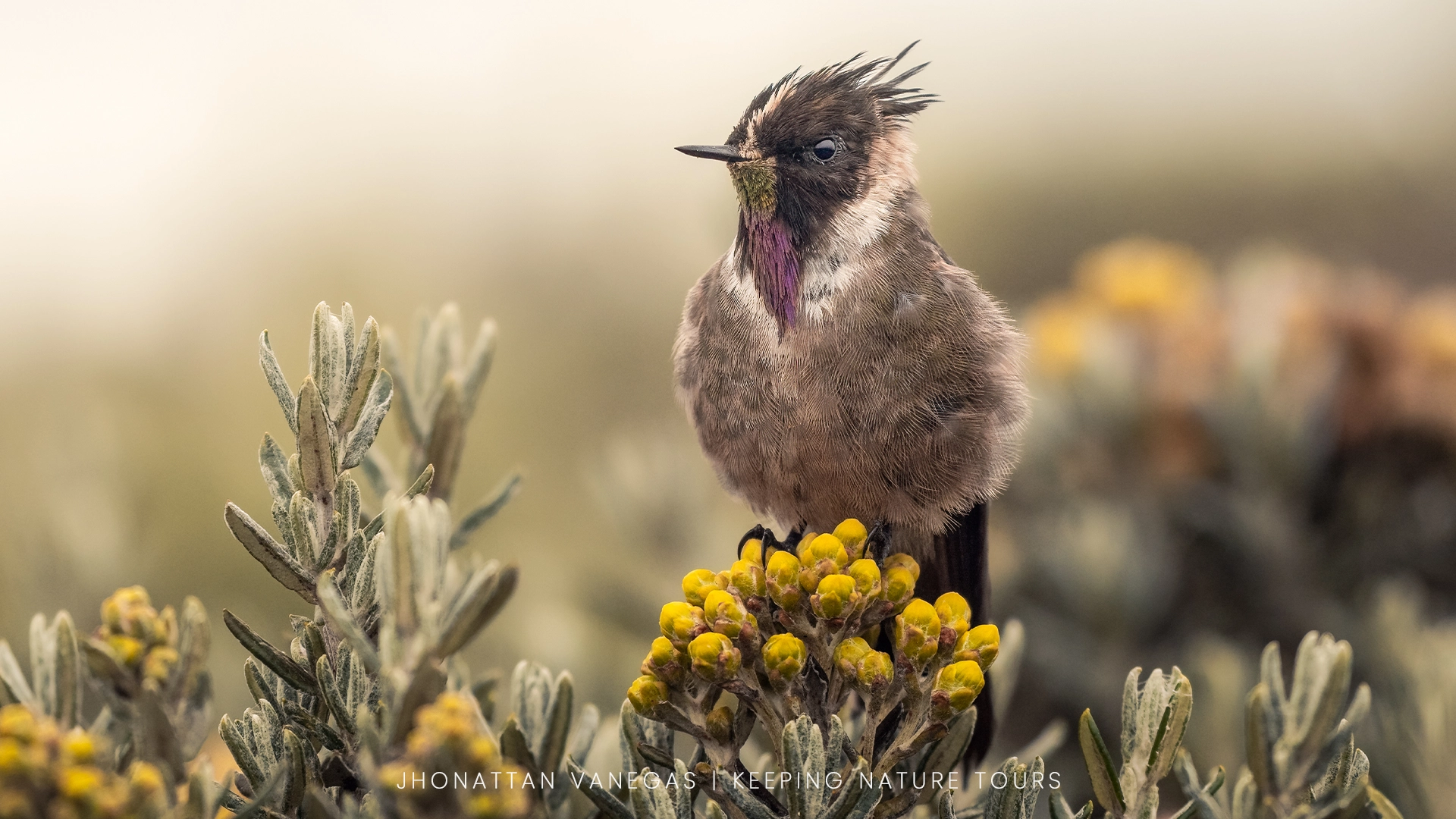
Photographing birds and wildlife is not only about reacting fast. Learn to observe behavior, anticipate what might happen and prepare your camera to be ready when that instant, lasting only a few seconds, arrives.
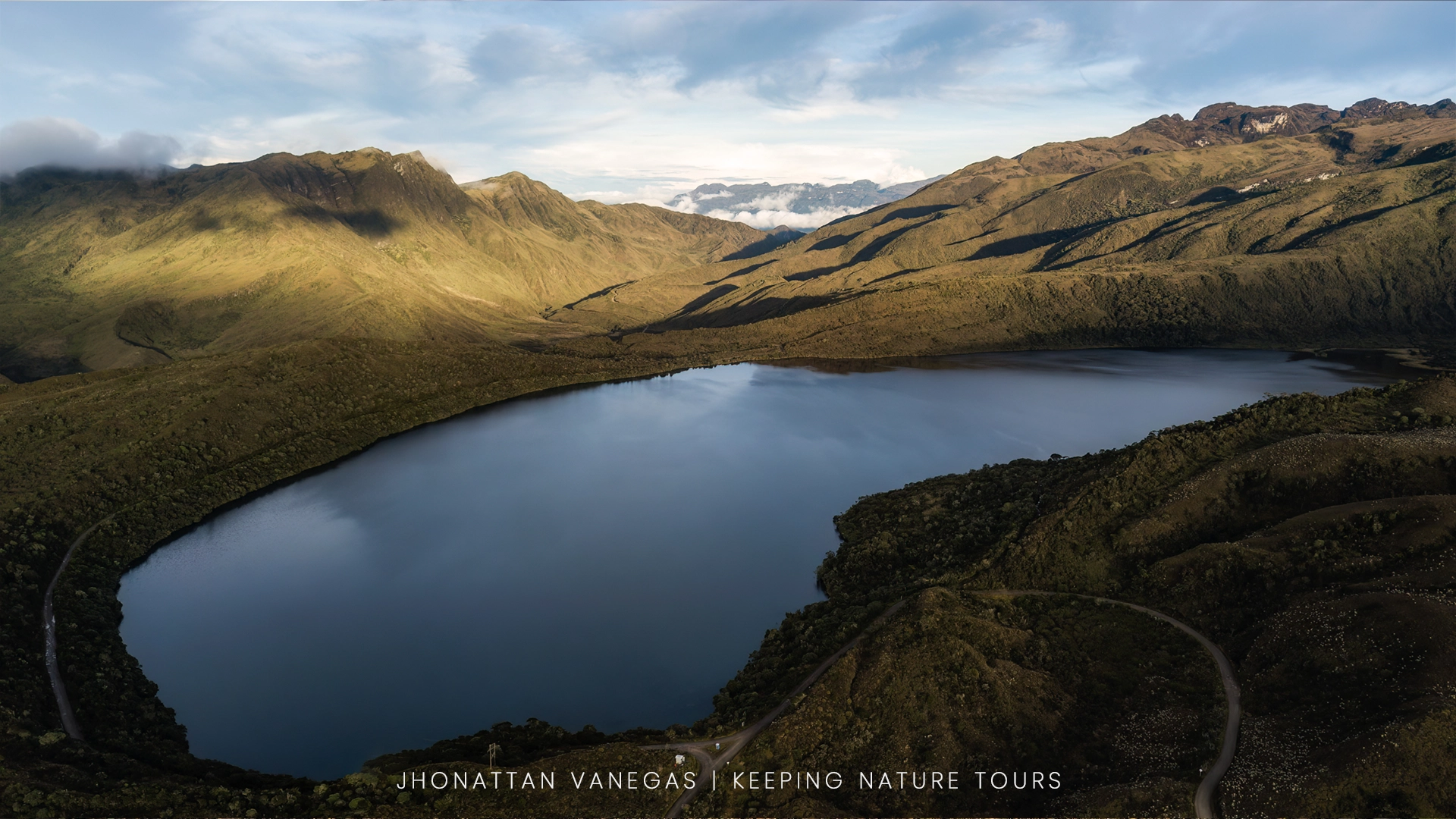
A landscape can hold hundreds of elements, but not all of them tell the same story. Learn to recognize the relationships between light, terrain, scale, depth and atmosphere to turn a place into an image with intention.
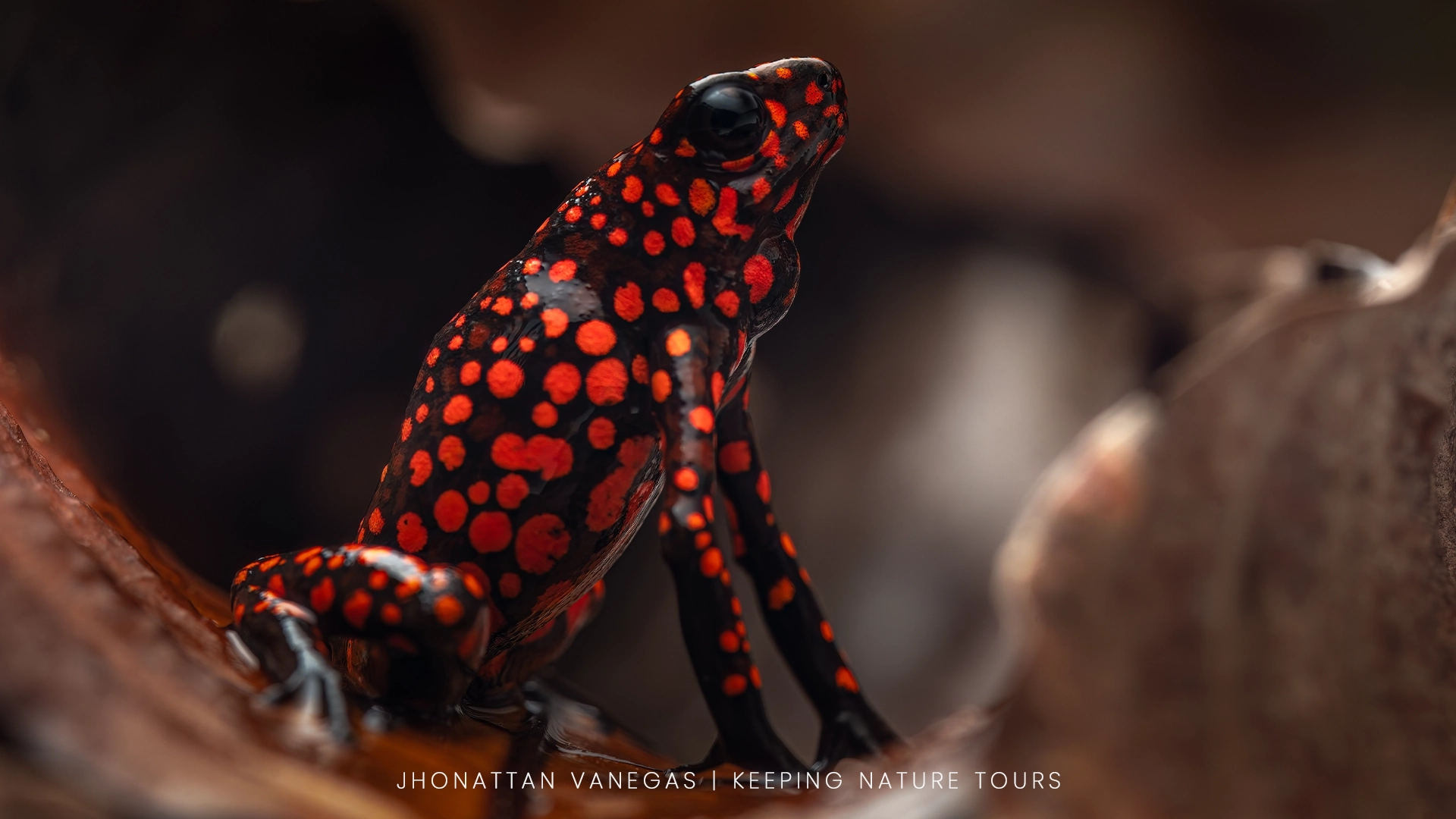
Composing is not about memorizing rules. It is learning to recognize shapes, lines, spaces, relationships and moments within the apparent chaos, so you can decide what to include, what to leave out and how to guide the eye within a photograph.
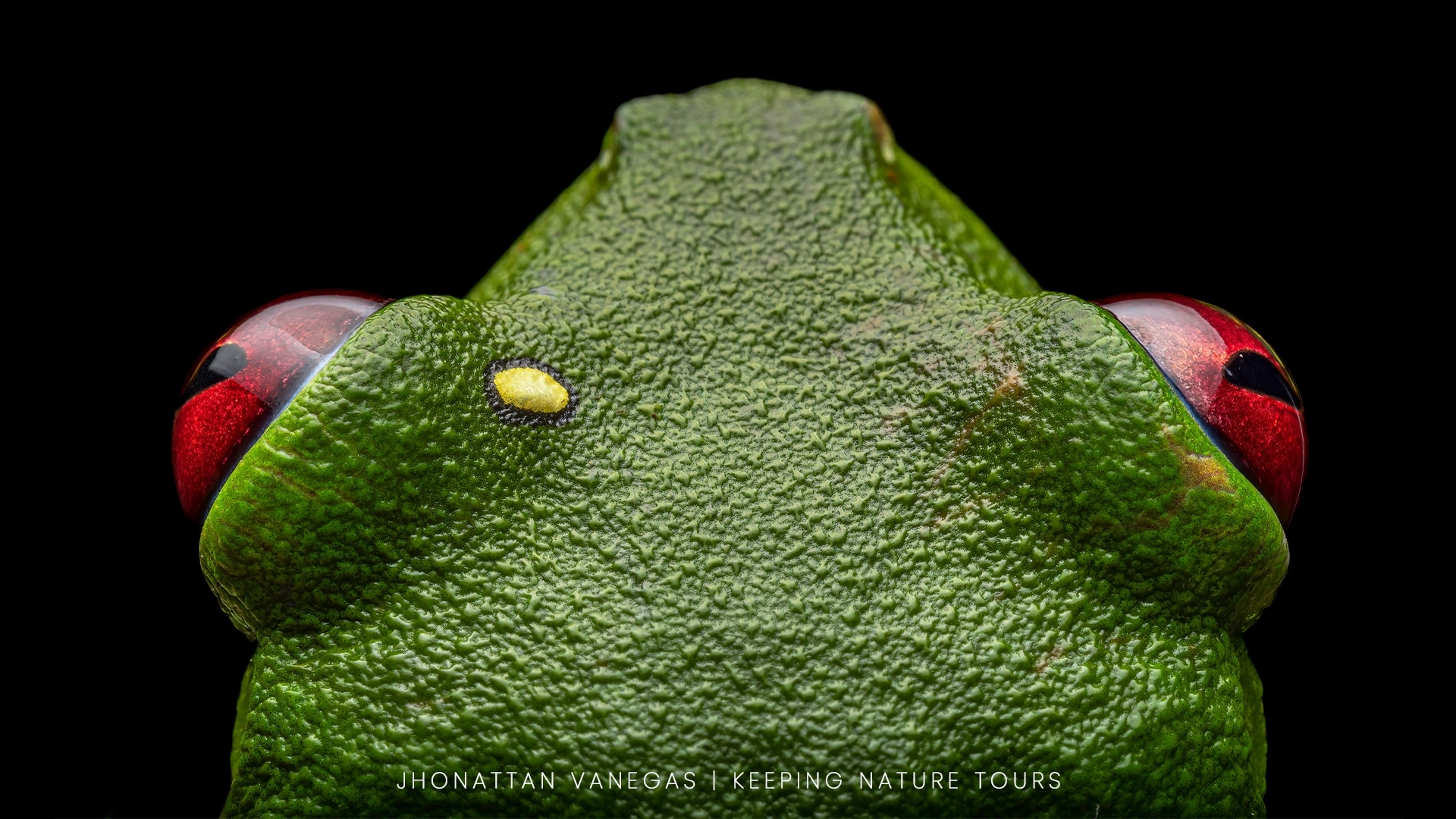
Color tells stories too. Learn to recognize harmonies, contrasts and color relationships to understand how they shape attention, atmosphere and the emotions an image conveys.
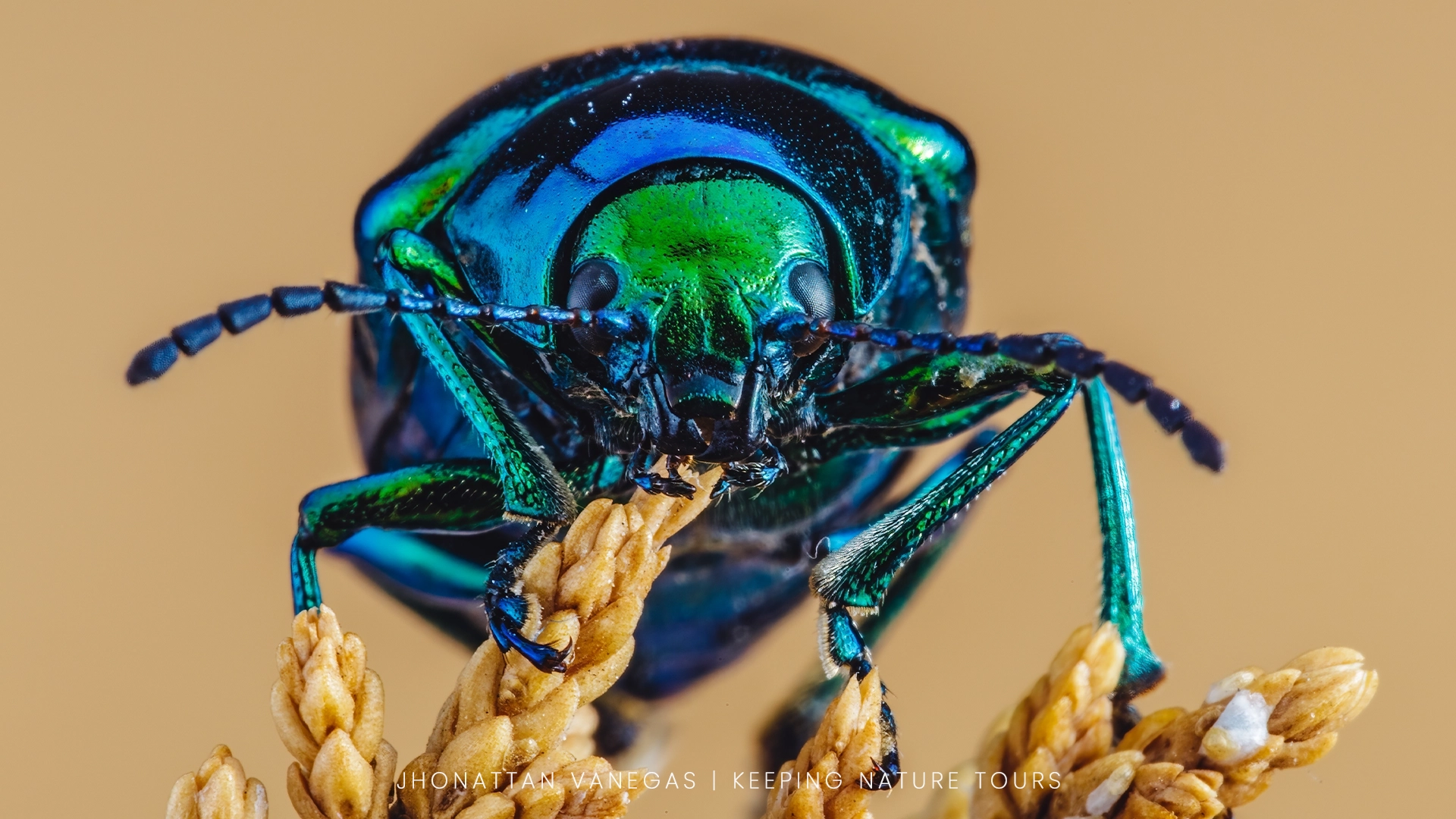
Photography does not end when you press the shutter. Learn to process your images by interpreting light, color, contrast and detail to bring the final result closer to what you saw, felt or imagined at the moment of photographing.
You can start by understanding your camera, solving a specific challenge or going deeper into what you are most passionate about. Technique is the starting point; the goal is for you to make your own decisions, develop your eye and find a personal way of telling the world through photography.
Courses and workshops
Special workshop · Macro with purpose
Learn to discover and photograph that small world that so often goes unnoticed. In this workshop we will work on magnification, focus, depth of field, composition and lighting to create macro photographs with greater intention.
This time, photographing is also helping.
This workshop is born with a special purpose: to support the people and families affected by the earthquake. Your participation will not only be an opportunity to learn photography; it will also contribute directly to this relief initiative.
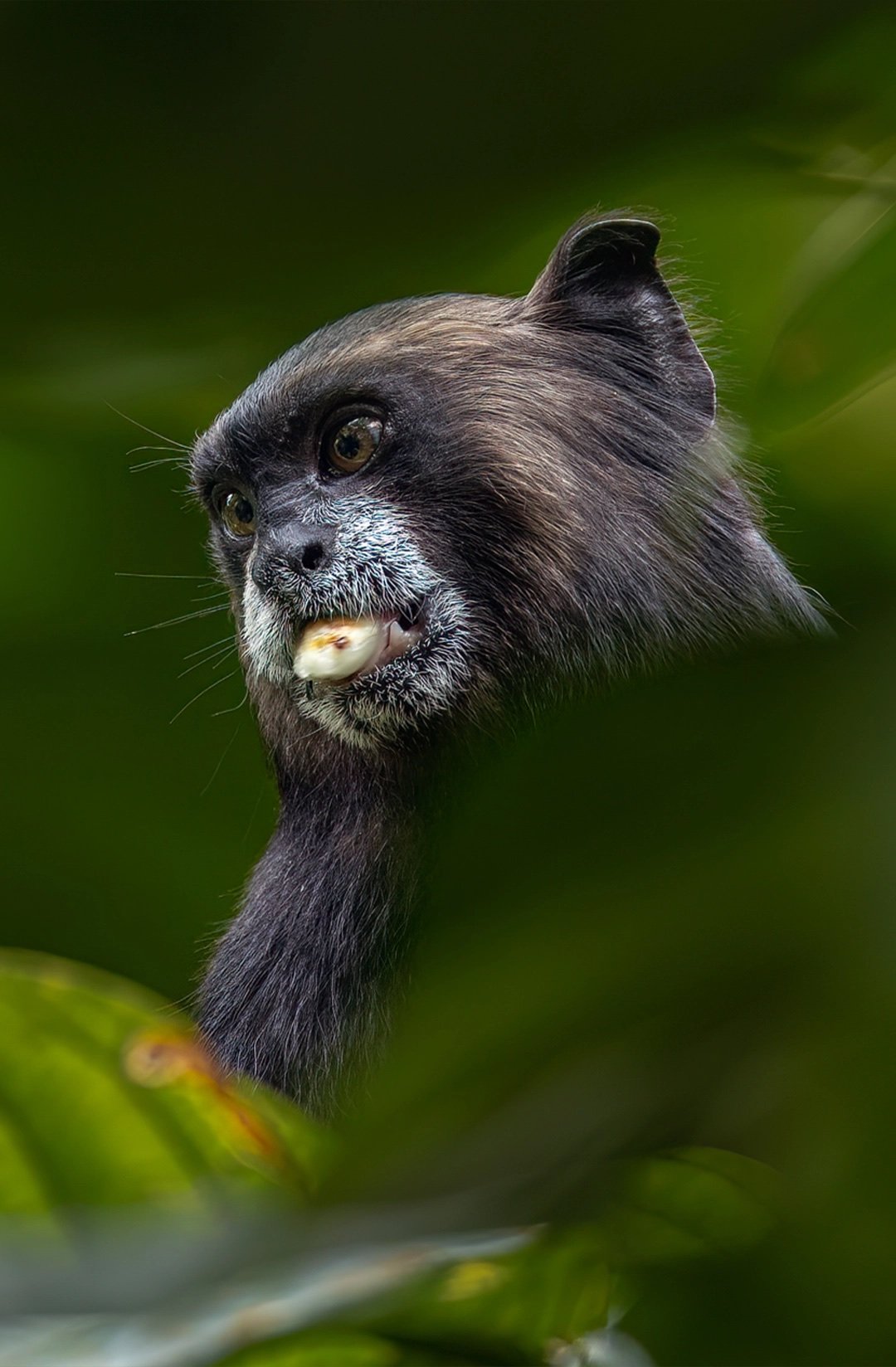
Course
Do you have a camera but still feel like it makes the decisions for you? This course is designed to help you understand the fundamentals of photography and start taking control of your images: exposure, focus, depth of field, light and composition.
You will learn photography from the ground up, using nature as one of our best spaces to practice observation.
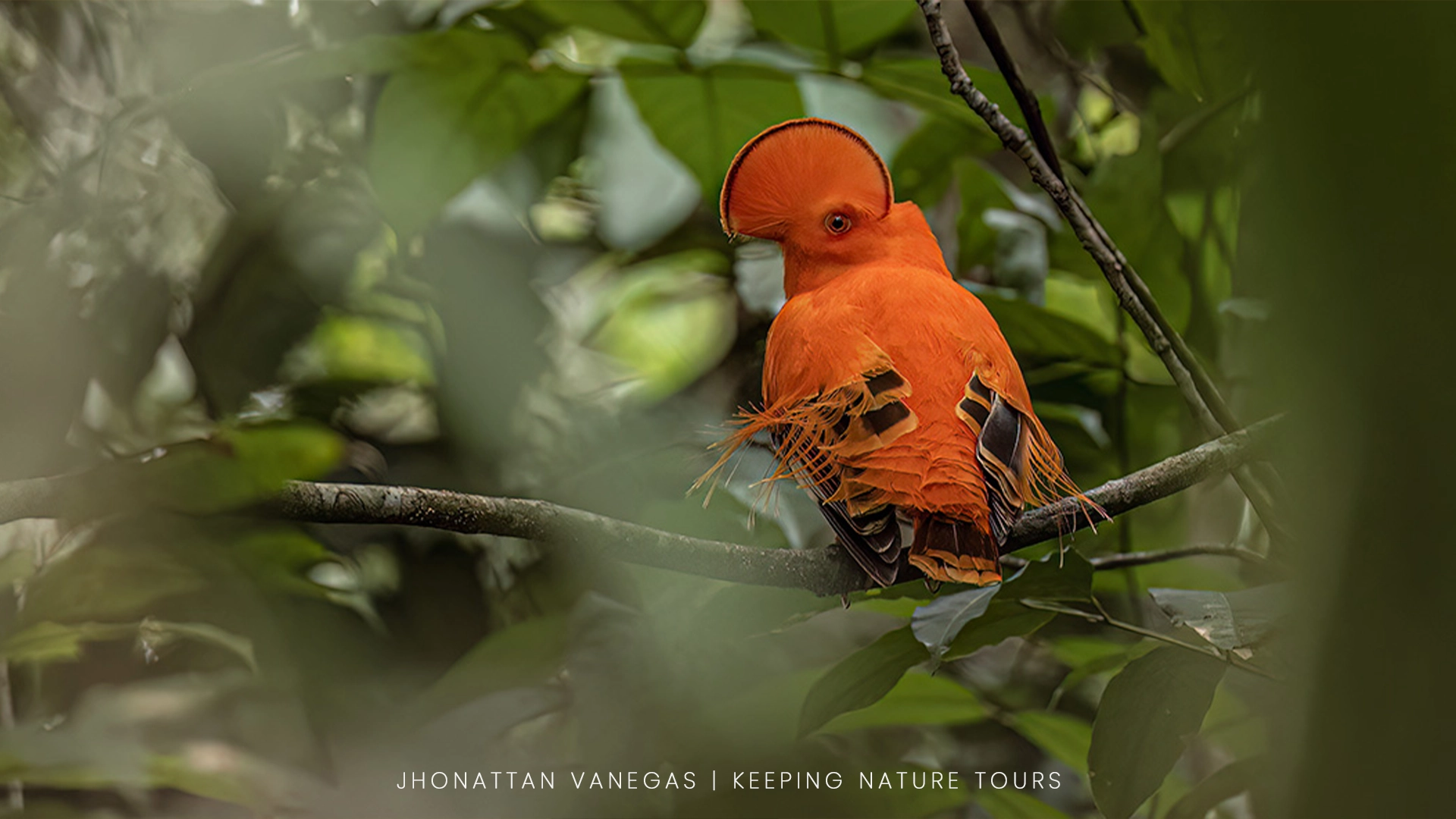
Workshop
Learn to turn a RAW file into a finished photograph without losing the natural feel of the scene.
We will work on the editing workflow, exposure, contrast, color, detail, sharpness and creative decisions so that editing supports your photographic intent rather than replacing it.
1 on 1 · Personalized classes
Sometimes you don't need another course. You need to work on exactly what you want to improve. In a one-to-one session we can review your photographs, sort out questions about your gear, or go deeper into general photography, macro, nature, lighting, composition, post-processing or workflow. We build the class around your level, your photographs and your goals.
You don't have to know which course you need
I'm just starting out
Photography from scratchI know my camera and want to specialize
Macro · birds · lightingI want to improve my editing
Post-processing workshopI have very specific needs
One-to-one classI want to learn out in nature
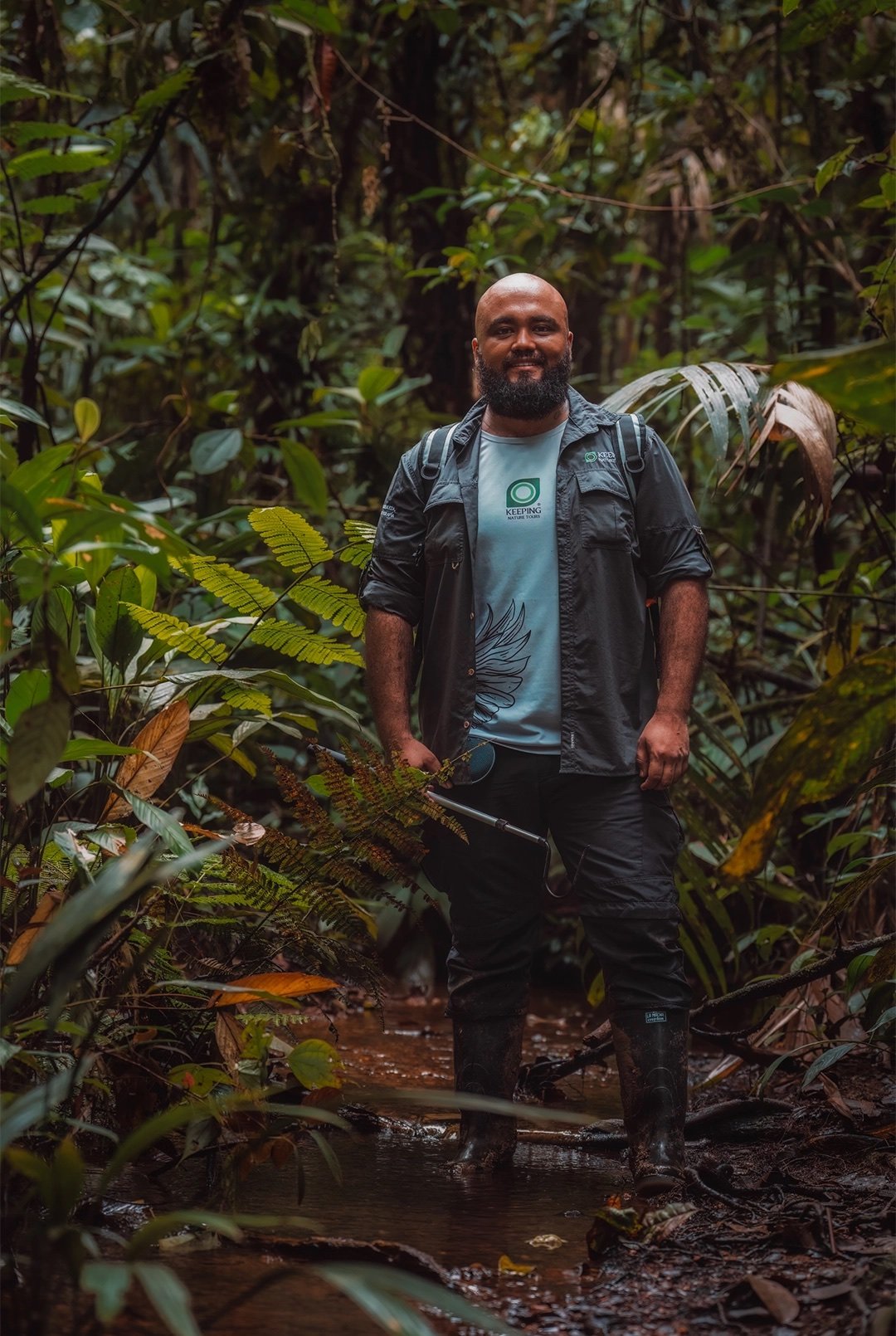
Field workshops with Keeping Nature Tours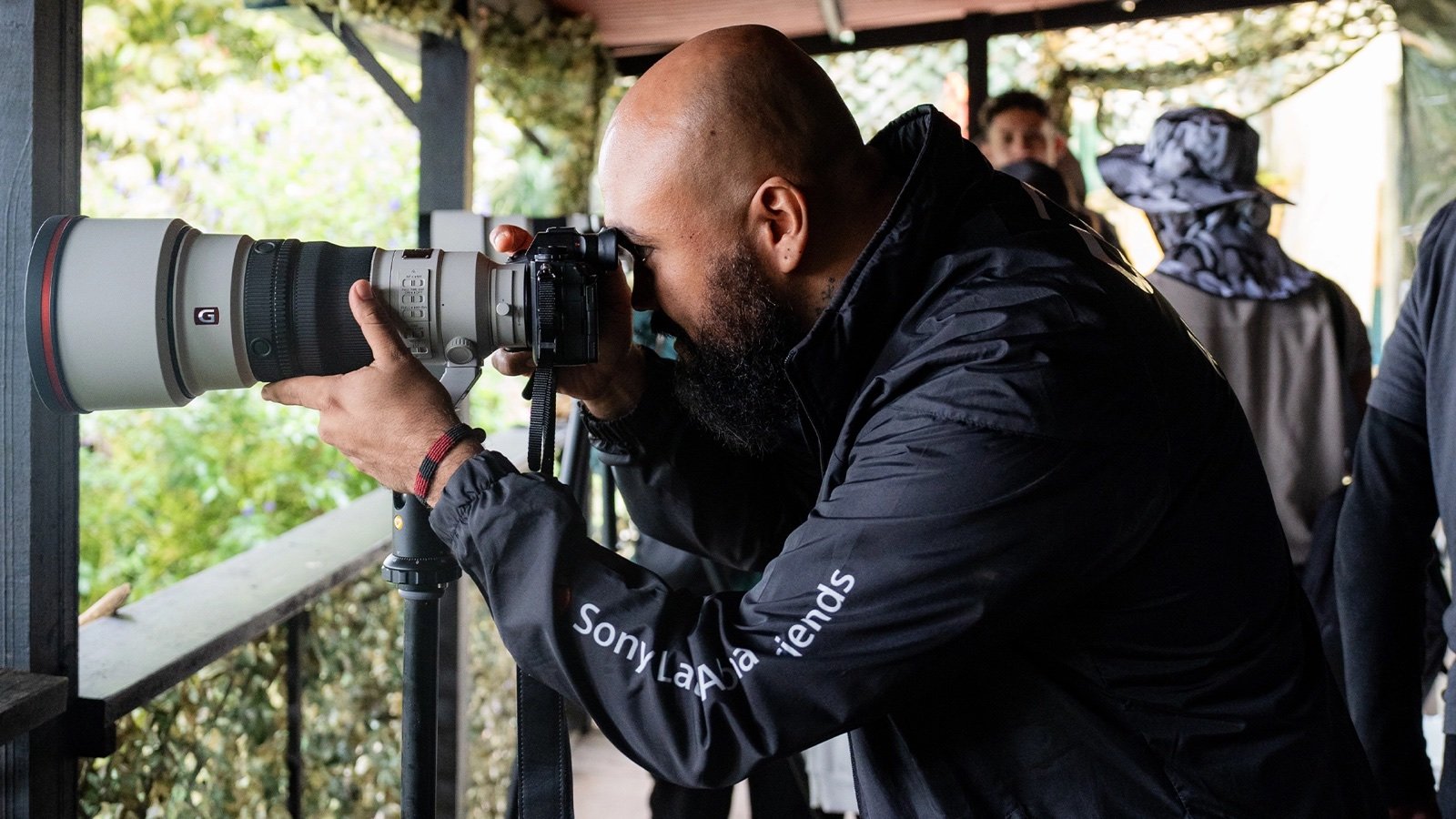
From the classroom to the field
There are things only the field can teach us.
You can learn technique in front of a screen, but nature forces us to make real decisions: the light changes, the animal moves, something unexpected appears and no photograph happens exactly as we planned it.
That is why part of my teaching also happens in the field. Through Keeping Nature Tours you can take what you have learned into experiences and workshops where photography, biodiversity and knowledge meet in extraordinary places.
Field experience, knowledge to share
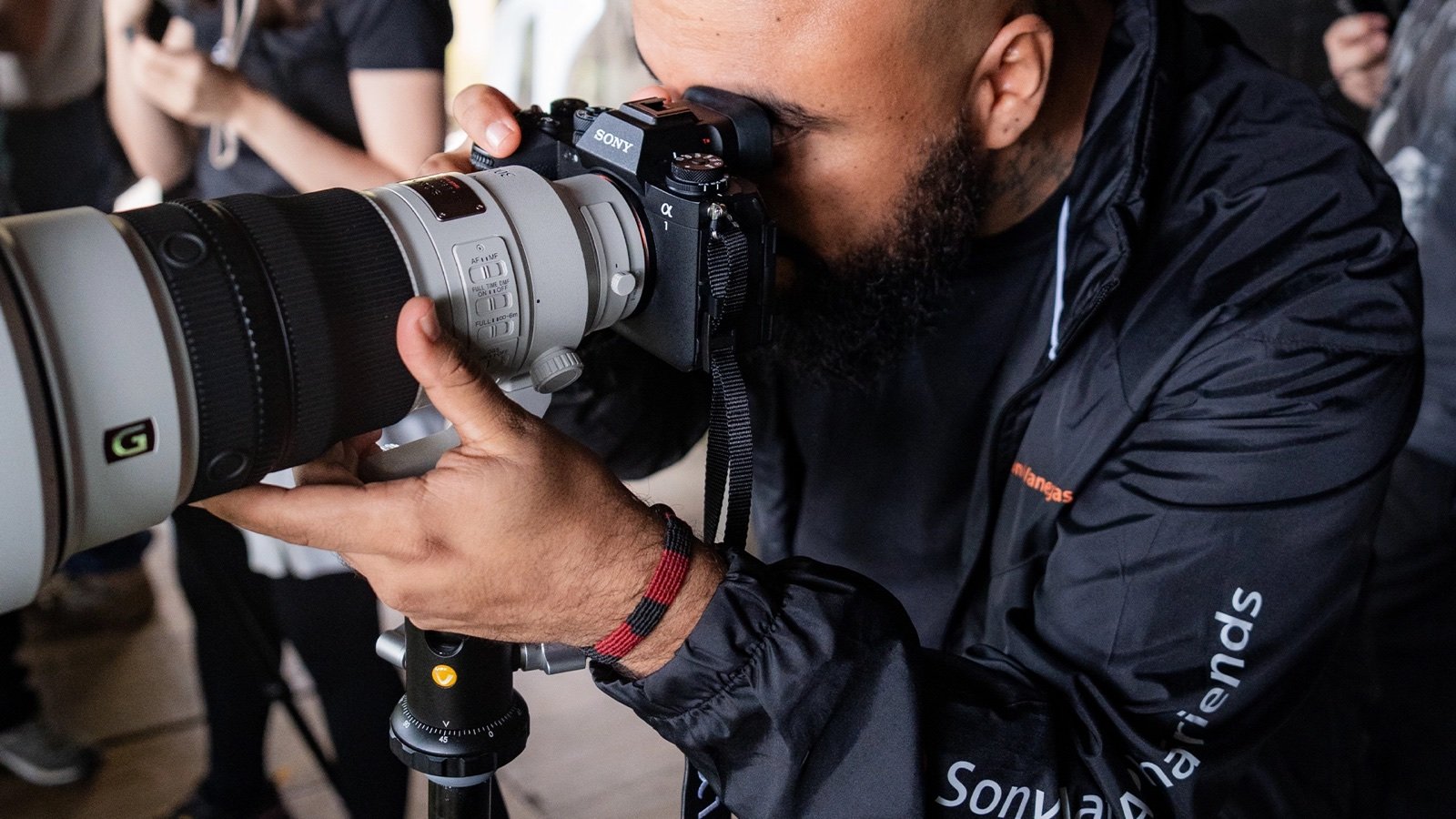
What I teach comes from doing it.
I am Jhonattan Vanegas, nature photographer, biologist and herpetologist. My way of teaching brings together two worlds that have shaped my life: understanding nature and learning to tell its story through images.
I don't want to give you recipes for repeating my photographs. I want to share years of technical and field experience to help you make better decisions, understand what you photograph and develop an eye that is truly your own.
Learn the technique. Observe with intention. Tell your story.
You don't need the most expensive gear or a trip to the other side of the planet to begin. You need curiosity, a few tools and the will to look with more attention.